Last Updated: November 19, 2026
Quick Summary
Cutting utility usage in a pharmaceutical plant starts with an accurate audit of where energy and water actually go, measured across normal operating periods rather than a quiet week. Once that baseline exists, the biggest gains usually come from controls and scheduling of HVAC and cleanroom air handling, with every change documented under change control to protect product quality.
- Audit energy and water use across normal production periods, not a quiet week.
- Begin with the biggest consumers, which often include HVAC and cleanroom air handling.
- Sub-meter main utility streams to show which areas and processes drive consumption.
- Check for simultaneous heating and cooling, a common sign of wasted energy.
- Confirm water use matches production output to spot excess consumption.
Table of Contents
- Energy-Saving Strategies in Pharmaceutical Manufacturing
- Pharmaceutical Utility Monitoring and Metering, Plus HVAC and Water Checks
- Frequently Asked Questions
Pharma plants burn through utilities fast. Cutting that bill starts with knowing where the energy and water actually go, and building that picture before changing anything is the sensible first step. Optimising utility usage in pharmaceutical facilities only works when the baseline is accurate.
Most plants skip this step, replacing a chiller or tuning a schedule on a hunch, then wonder why the bill barely moves. A proper audit shows the real load, the waste, and where the money is.
Watch out: Do not audit only during a quiet week; an unusual period hides your real peaks.
Energy-Saving Strategies in Pharmaceutical Manufacturing
Energy saving in a GMP environment needs care, since every change must protect product quality. Many gains come from controls and scheduling, not new equipment.
Start with the biggest users, which often include HVAC and cleanroom air handling.
Any change to a validated system needs documented change control.
Pharmaceutical Utility Monitoring and Metering, Plus HVAC and Water Checks
You cannot manage what you do not measure. Review how machinery and utility systems must meet UK legal requirements in Machinery Safety Compliance Requirements in the UK. Sub-metering the main utility streams can show which areas and processes drive consumption.
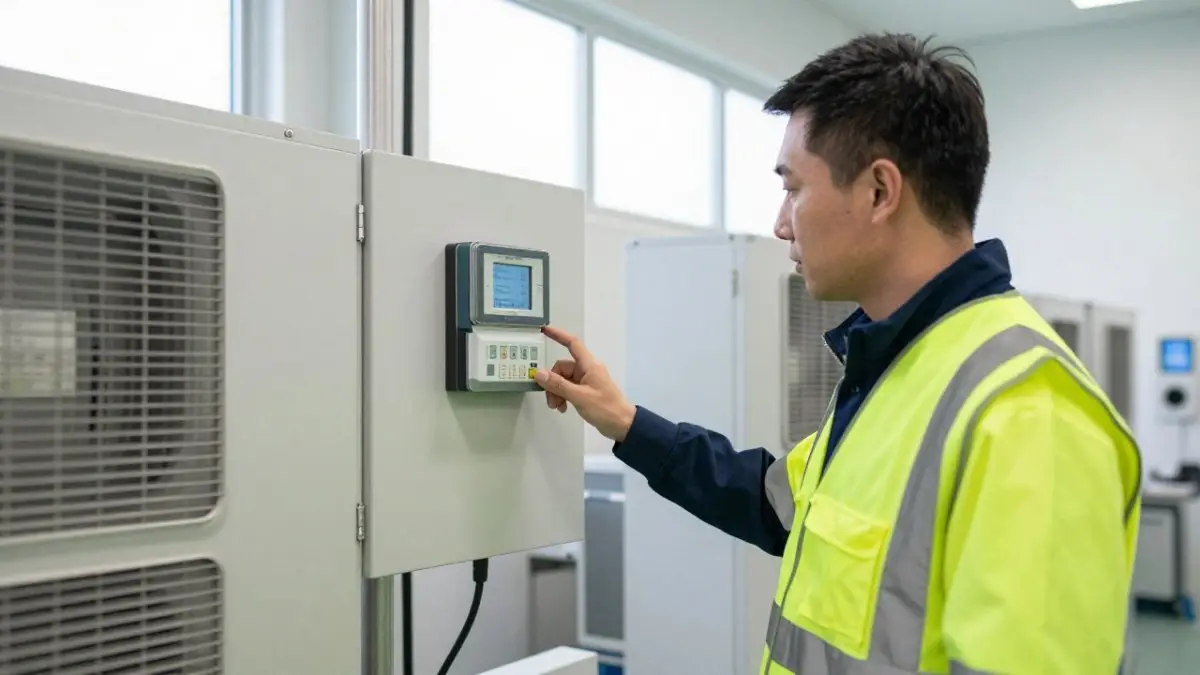
Metering should feed regular checks: review HVAC performance, look for simultaneous heating and cooling, and confirm water use matches production output.
Optimising utility usage in pharmaceutical facilities pays off when it is measured, planned, and validated. Ursa Engineering can help you build the baseline, select the right savings, and deliver the changes without disrupting compliance. Find Out More about how we can support your plant.
Frequently Asked Questions
How can pharmaceutical facilities reduce energy consumption?
Start with an energy audit to establish a baseline for each utility. Then tackle the largest loads first, which in most pharmaceutical sites are HVAC and compressed air. Changes to validated systems should go through your change control process so GMP compliance is maintained. Pricing for an external review depends on site size and scope, so contact Ursa Engineering for a quote.
How can pharmaceutical manufacturers reduce water consumption?
Begin by measuring water use at the points of consumption, not just at the main meter, so you can see where it goes. Any change to water systems that affects product contact must be validated and documented before it goes live. Ursa Engineering can help you assess options against your site’s requirements.
How do you measure utility usage in a pharmaceutical facility?
Install sub-metering on major utility feeds, including electricity, steam, compressed air, chilled water and water, so consumption can be tied to specific areas or equipment. Metering hardware and data platform costs vary, so request a quote for your site.